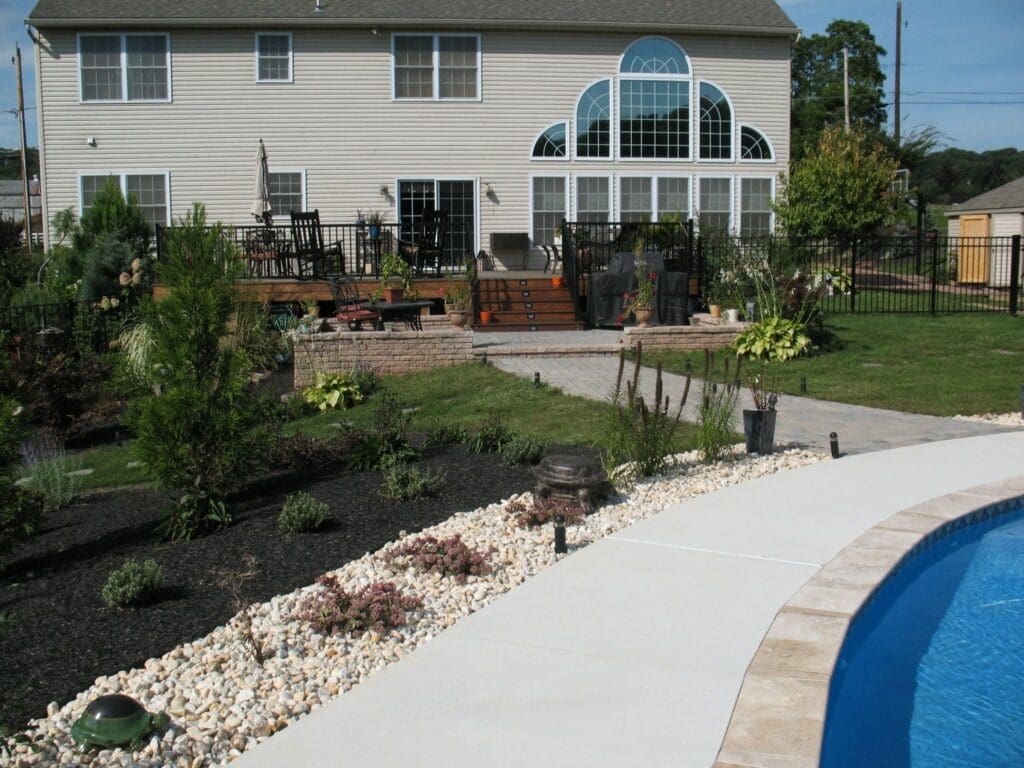
stone flower beds instead of mulch, landscape rock vs mulch, mulch vs stone for landscaping, mulch and liking stone, mulch or stone for landscaping, landscaping rock vs mulch, mulch or rock for landscaping, mulch vs stone landscaping, loose rock, mulch vs stone
Understanding the Advantages of Loose Rock in Landscaping
Loose rock is a popular choice for landscaping beds due to its durability and low maintenance requirements. Unlike organic materials, loose rock does not decompose, which means it can last for many years without needing replacement. This makes it an attractive option for homeowners looking for a long-term solution for their outdoor spaces.
In addition to its longevity, loose rock offers excellent drainage properties, helping to prevent water buildup in landscaping beds. It is available in various sizes and colors, allowing homeowners to choose options that complement their overall landscape design. Furthermore, loose rock can deter weed growth, reducing the need for chemical herbicides and promoting a more eco-friendly gardening approach.
The Benefits of Using Mulch in Landscaping Beds
Mulch serves as an effective ground cover that not only enhances the aesthetic appeal of landscaping beds but also provides numerous benefits for plant health. By retaining moisture in the soil, mulch helps to keep plants hydrated during dry spells, reducing the frequency of watering. Additionally, mulch acts as an insulating layer, protecting plant roots from extreme temperature fluctuations.
Moreover, organic mulch, such as bark or wood chips, breaks down over time, enriching the soil with nutrients and improving its structure. This natural process supports healthier plant growth and encourages beneficial microorganisms in the soil. Homeowners can also enjoy the versatility of mulch, as it comes in various materials and colors, allowing for creative landscaping designs.
Cost Comparison: Loose Rock vs. Mulch
When considering landscaping options, understanding the cost implications of loose rock versus mulch is crucial for homeowners. While the initial installation cost of loose rock is typically higher than that of mulch, the long-term savings can be significant. Loose rock requires less frequent replacement and maintenance, which can offset its higher upfront cost over time.
On the other hand, mulch is generally more affordable to install, making it an attractive option for those on a budget. However, it needs to be replenished annually, which can add to the overall expense in the long run. By evaluating both options through a cost-benefit lens, homeowners can make informed decisions that align with their financial and aesthetic goals.
Choosing the Right Landscaping Material for Your Needs
Selecting between loose rock and mulch involves considering various factors, including the specific needs of your plants, your local climate, and your personal style preferences. Each material has unique characteristics that can influence plant health and landscape aesthetics, making it essential to assess your garden's requirements before making a choice.
For instance, if you have plants that thrive in well-drained soil, loose rock may be the ideal choice. Conversely, if you are looking to enhance soil fertility and moisture retention, mulch could be more beneficial. Consulting with landscaping professionals, like those at A Plus Landscaping, can provide valuable insights and help you select the best material tailored to your landscaping goals.